Shakti and Bhakti are two distinguishable creative powers within every woman that can be defined as: - Shakti refers to the power of the universe that gives women the strength and courage to be fearless and natural agents of change. - Bhakti refers to devotion, selflessness, humility and reverence; it is this power that reminds us to be of service to higher causes and purposes. In essence, Shakti and Bhakti are the perfect duality of our highest nature: strength and tenderness; courage and humility; influence and devotion. When we become aware of these essences and subtle powers, we can then channel them heal any and all pain and disease. We can also harness their energy to positively influence our bodies, our reality and ourselves.
From Shakti vs Bhakti - What's the difference? | WikiDiff
The difference between shakti and bhakti is that shakti is the divine force that pervades the universe while bhakti is devotion to god.
As nouns the difference between shakti and bhakti is that shakti is the divine force that pervades the universe while bhakti is devotion to god.
The Hindu concept or personification of the divine feminine aspect, sometimes referred to as 'The Divine Mother'. Shakti represents the active, dynamic principles of feminine power. Related terms: Shaktism, Parvati
From Woman and mother – shakti and bhakti | DHARAMSAAL
Woman has two qualities – the primeval power of Shakti, the creative energy before time; and Bhakti, the devotional humility and patience of the mother. These two aspects need to be in balance for a woman to be connected with her spirit and her strength.
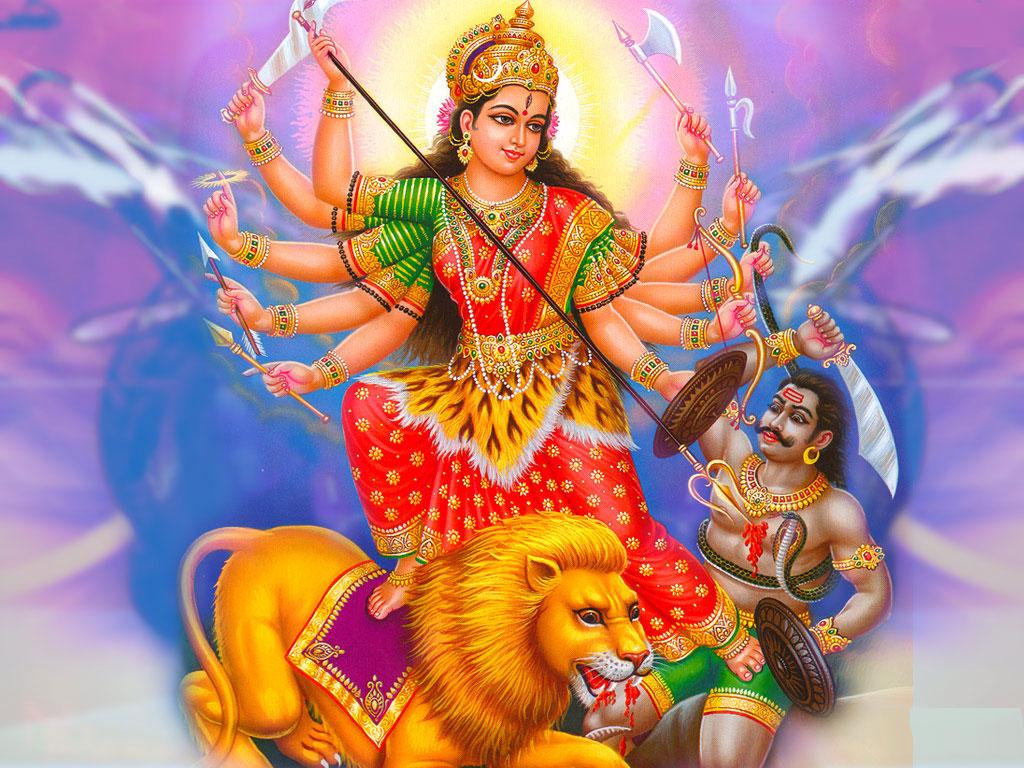
Shakti – in hindu tradition Durga – has 8 hands, representing her ability to perform as many tasks simultaneously. She carries a sword, standing for the power of her decisive word, and she does all that balancing on one foot while riding a tiger, also representing her fierceful and fearless strenght in motion. She carries the creative power of decision, and is in touch with her animal and primal nature.
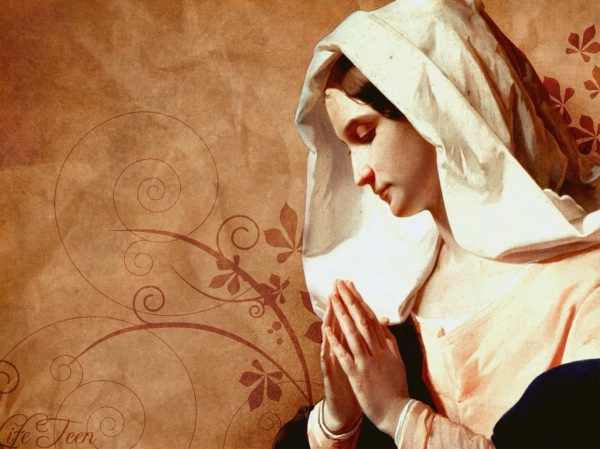
Bhakti – represented in the christian tradition by Mary – sits in deep meditation and prayer offering herself in service for her child and for the world. Her devotion and prayer is infinite, crossing beyond borders and blessing the life of her child to be a saint. She surrenders her wish of control and power into the Infinite, remaining in a constant attitude of gratitude. Her prayer is the highest blessing to her child and to the world, totally changing their destiny. She delivers her child to God, not claiming him her own. Very often I see women who have not found either Shakti or Bhakti in their lives. A connection must be found in order to reach our highest potential as women. The Bhakti side is often neglected and even discriminated in our pursue of equality with men. Men and women must be equally respected, but each has their own character and value, and for the woman, the devotional part is essential. Woman must be able to relax and sit and just be, instead of acting Shakti all the time. Woman nowadays suffer because they have lost the ability to relax, to be with their hearts, to be intuitive, spiritual and devotional.